Wanton Motion in Eighteenth-Century Literature and Culture
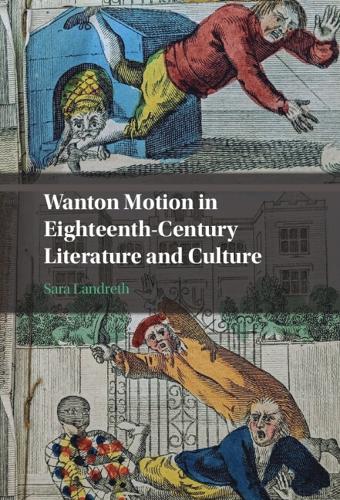
How can words capture what it feels like to be a body moving through space? In charting how the aesthetics of motion mattered to eighteenth-century literature, print culture, theatre, and legal debates, Sara Landreth refocuses the period's fascination with the abstraction of 'selfhood' toward embodied kinetic processes that reveal the fictionality of selfhood altogether. This important study makes the case for wantonness as an aesthetic category in its own right, one that captures quasi-intentional actions and vital but indeterminate forms of agency in a wide range of genres, from it-narratives and harlequinade flipbooks to travel novels and fiction about slaveocracy. Fresh readings of works by Cavendish, Hogarth, Dennis, Johnson, Diderot, Sterne, Smollett, and Wilberforce illuminate how authors from 1650 to 1810 radically redefined how characters and plots could and should move.
Select Location
Select Condition
Select Location Type
From $138.79
Wanton Motion in Eighteenth-Century Literature and Culture—
$138.79
Description
How can words capture what it feels like to be a body moving through space? In charting how the aesthetics of motion mattered to eighteenth-century literature, print culture, theatre, and legal debates, Sara Landreth refocuses the period's fascination with the abstraction of 'selfhood' toward embodied kinetic processes that reveal the fictionality of selfhood altogether. This important study makes the case for wantonness as an aesthetic category in its own right, one that captures quasi-intentional actions and vital but indeterminate forms of agency in a wide range of genres, from it-narratives and harlequinade flipbooks to travel novels and fiction about slaveocracy. Fresh readings of works by Cavendish, Hogarth, Dennis, Johnson, Diderot, Sterne, Smollett, and Wilberforce illuminate how authors from 1650 to 1810 radically redefined how characters and plots could and should move.